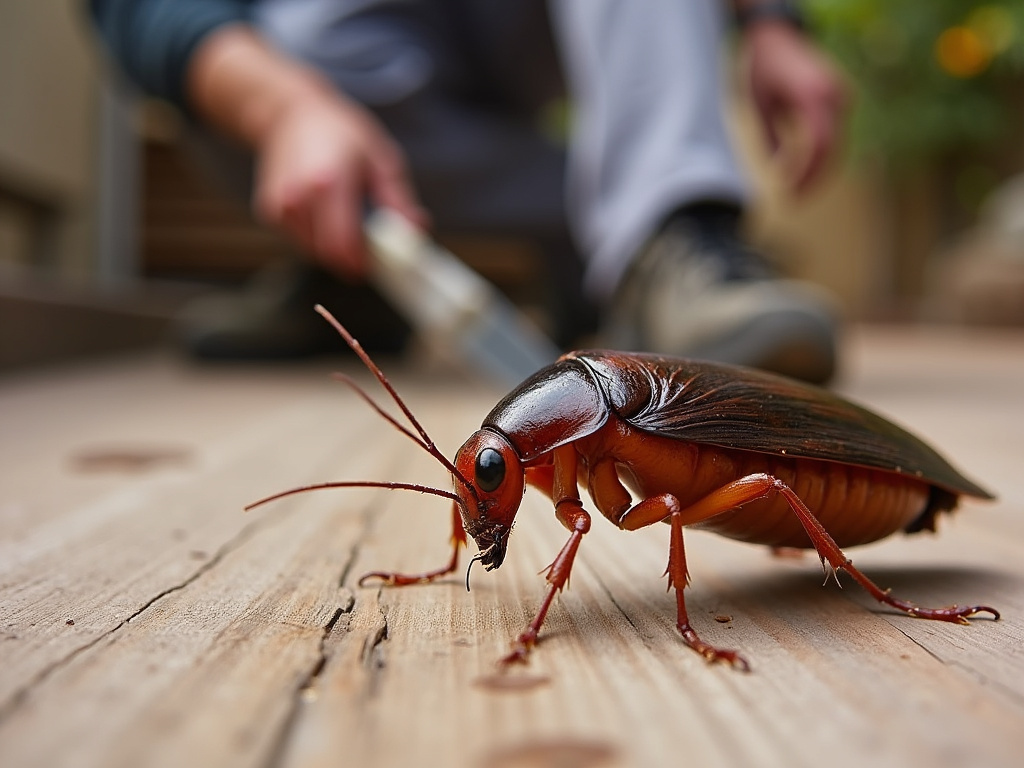
Phoenix summers push both German and American cockroaches indoors as temperatures climb past 110 degrees. Older housing stock in Maryvale and Camelback East often has gaps around plumbing penetrations and shared walls that let roaches move between units. Irrigation in Ahwatukee and South Mountain keeps soil moisture high, giving American cockroaches steady water sources in yards and under slabs. Effective control requires gel baits placed along active runs rather than broad sprays that scatter the population.
In multi-unit buildings common in Biltmore and Arcadia, roaches travel through utility chases and sewer lines connected to Papago Park drainage. Technicians map these routes during the first visit and apply targeted dusts in voids without disturbing residents. Follow-up visits timed two weeks apart catch newly hatched nymphs before they reach breeding age. Homeowners in Tempe and Mesa who skip the second visit often see rebound within a month because egg cases remain untouched.
Cockroach Control Near You — Choose Your City
Every city below has its own local Cockroach Control page with coverage details.
Maricopa County homes near the Phoenix Zoo and Desert Botanical Garden face seasonal pressure when monsoon rains flood outdoor harborage. Technicians seal exterior entry points around Chase Field area commercial properties while treating interior kitchens with low-odor baits safe for food-prep surfaces. Records of prior treatments help avoid repeating products that have already lost effectiveness in that specific building.
Technician insight
In Phoenix the thing that catches most people out with cockroach control is how quickly American roaches re-enter through slab cracks once monsoon moisture hits the soil. Older homes in Maryvale and Arcadia often have irrigation lines running right under the foundation, so sealing alone without addressing the water source fails every time.
Ahwatukee slab home rebound
Homeowner in Ahwatukee reported roaches returning two weeks after a big-box spray. Inspection found active American roach trails entering through an unsealed cleanout under the slab near the irrigation valve. Targeted dust in the void plus gel stations along the run stopped activity; the second visit confirmed no new nymphs.
Cockroach Control Services We Offer
✓German Cockroach Treatment
Focuses on kitchen and bathroom harborages with gel baits and growth regulators placed in cracks where German roaches breed fastest in Phoenix apartments.
✓American Cockroach Extermination
Targets larger roaches living in sewers and irrigation boxes around South Mountain and Ahwatukee homes using dust applications and exterior perimeter barriers.
✓Multi-Unit Roach Control
Coordinates treatment across connected units in Biltmore and Arcadia buildings to stop roaches traveling through shared walls and plumbing.
✓Commercial Kitchen Roach Service
Addresses high-traffic food-service sites near Chase Field and Papago Park with low-odor materials that meet health department inspection standards.
✓Roach Prevention Sealing
Installs door sweeps and caulks utility penetrations on older Maryvale and Camelback East homes to reduce new entry points during summer heat.
Cockroach Control Cost in Arizona
| Service | Typical Range | What Affects It |
|---|---|---|
| Single-family home initial visit | $175–$275 | Depends on square footage and number of active rooms |
| Multi-unit building treatment | $250–$450 | Covers common areas and up to three connected units |
| Commercial kitchen service | $300–$500 | Includes after-hours scheduling and detailed reporting |
| Quarterly prevention program | $120–$180 per quarter | For properties with recurring irrigation or sewer access |
Ranges are typical for Arizona and confirmed with an exact written quote before any work starts.
How it works
- 1
Detailed Inspection
Technician checks kitchens, bathrooms, and utility areas for live roaches, droppings, and water sources common in Phoenix housing.
- 2
Targeted Bait Placement
Gels and dusts applied only where activity is confirmed to avoid scattering roaches into untreated neighboring units.
- 3
Follow-Up Visit
Second treatment scheduled 10-14 days later to address newly hatched nymphs before they mature.
- 4
Prevention Review
Homeowner receives specific sealing recommendations based on the property's age and irrigation setup.
Pricing
Most single-family homes in Phoenix receive an initial treatment plus one follow-up for a set package price.