2026-08-23 ·
Common Household Pests in Arizona and How to Identify Them
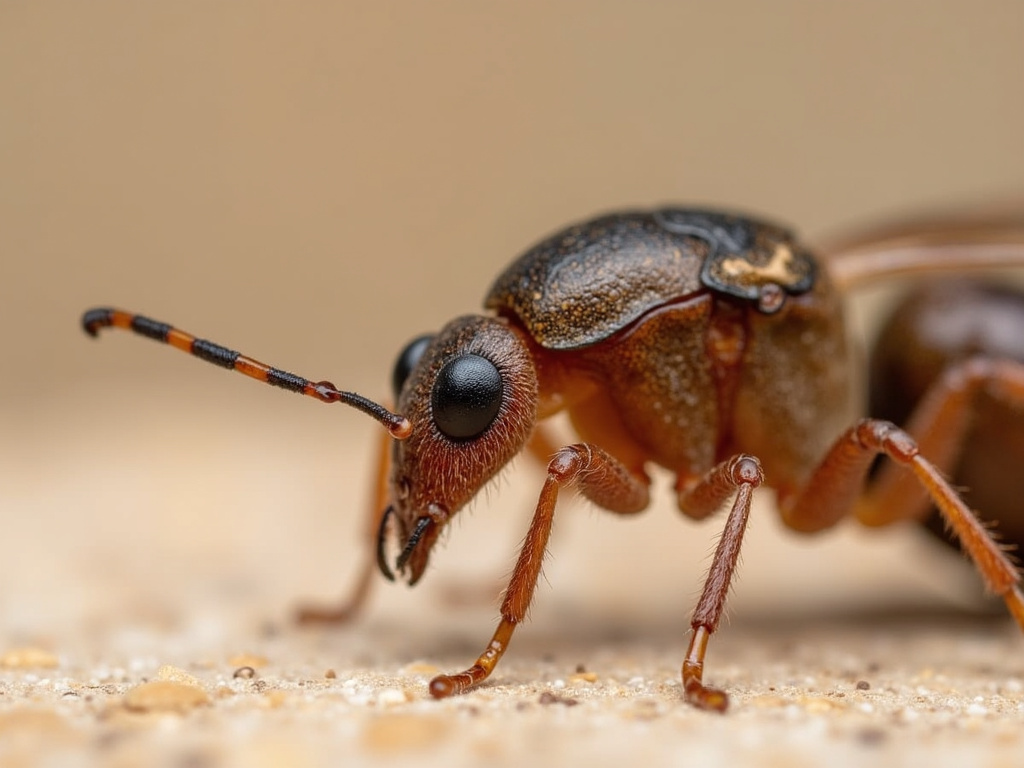
In Arizona's hot desert climate with extreme summer heat, common household pests include scorpions, ants, cockroaches, rodents and spiders that enter homes across Maricopa County neighborhoods such as Arcadia, Biltmore, Ahwatukee and areas near Camelback Mountain.
Scorpions
Bark scorpions measure 2–3 inches with light brown bodies and thin tails, often found under rocks or in wall voids around Papago Park and Desert Botanical Garden. They enter homes through small cracks during extreme summer heat when seeking moisture near Phoenix Zoo grounds. Residents in Camelback East notice them on stucco walls at night. Check baseboards and closets with a UV light after 9pm. Sealing gaps prevents entry in older housing stock common to Maryvale. Professional intervention targets nests effectively in South Mountain terrain where soil holds moisture longer. Scorpion Control addresses active issues while How to Keep Scorpions Away From Your Arizona Home details exclusion steps for Scottsdale and Tempe properties.
Ants
Argentine ants appear as 1/8-inch dark brown workers trailing in lines near irrigation lines in Ahwatukee yards. They nest in soil around foundations during monsoon season when rain floods colonies in Arcadia. Pharaoh ants measure 1/16 inch and prefer kitchen counters in Biltmore homes built in the 1960s. Look for small piles of dirt near door thresholds. These ants exploit expansion joints in concrete common to Maricopa County subdivisions. Harvester ants create 2-foot mounds in South Mountain gravel yards and sting when disturbed. Identification relies on observing trail patterns and body segments rather than size alone. Ant Control provides targeted baiting suited to local species.
Cockroaches
American cockroaches reach 1.5–2 inches with reddish-brown wings and prefer damp areas under sinks in older Maryvale homes. German cockroaches measure 0.5 inch and hide behind appliances in Camelback East apartments. Both species thrive in the hot desert climate by seeking indoor humidity near Chase Field districts. Check for egg cases in cardboard boxes or behind water heaters. Droppings resemble coffee grounds along baseboards in South Mountain rentals. Nighttime sightings with a flashlight reveal activity levels in Papago Park vicinity homes. These pests spread quickly through shared walls in multi-unit buildings common to Tempe and Mesa.
Rodents
Roof rats measure 8–10 inches including tail and nest in palm trees around Desert Botanical Garden. House mice reach 5–7 inches and enter through utility penetrations in Biltmore garages. Both species increase activity when temperatures drop below 60 degrees in Arcadia. Look for gnaw marks on wires and droppings the size of rice grains near food storage. Soil conditions in Maricopa County allow burrowing under slab foundations in Ahwatukee. Inspect attics for shredded insulation during cooler months. These rodents carry fleas that affect pets in South Mountain neighborhoods.
Spiders
Black widow spiders show a red hourglass on 1.5-inch glossy black bodies and build webs in woodpiles near Camelback Mountain trails. Brown recluse spiders measure 0.5 inch with violin markings and hide in closets of older Phoenix homes. Both appear more frequently after summer monsoons when insects increase. Check corners of garages and under outdoor furniture in Maryvale. Webs in window frames signal presence in Ahwatukee properties. Identification requires noting body shape and web type rather than assuming based on location alone. Spider Control manages populations without broad spraying that disrupts local desert ecosystems.